

Categories
GeorgiaPublished June 7, 2026
Why Underground Utility Insurance Coverage Matters More Than Homeowners Realize

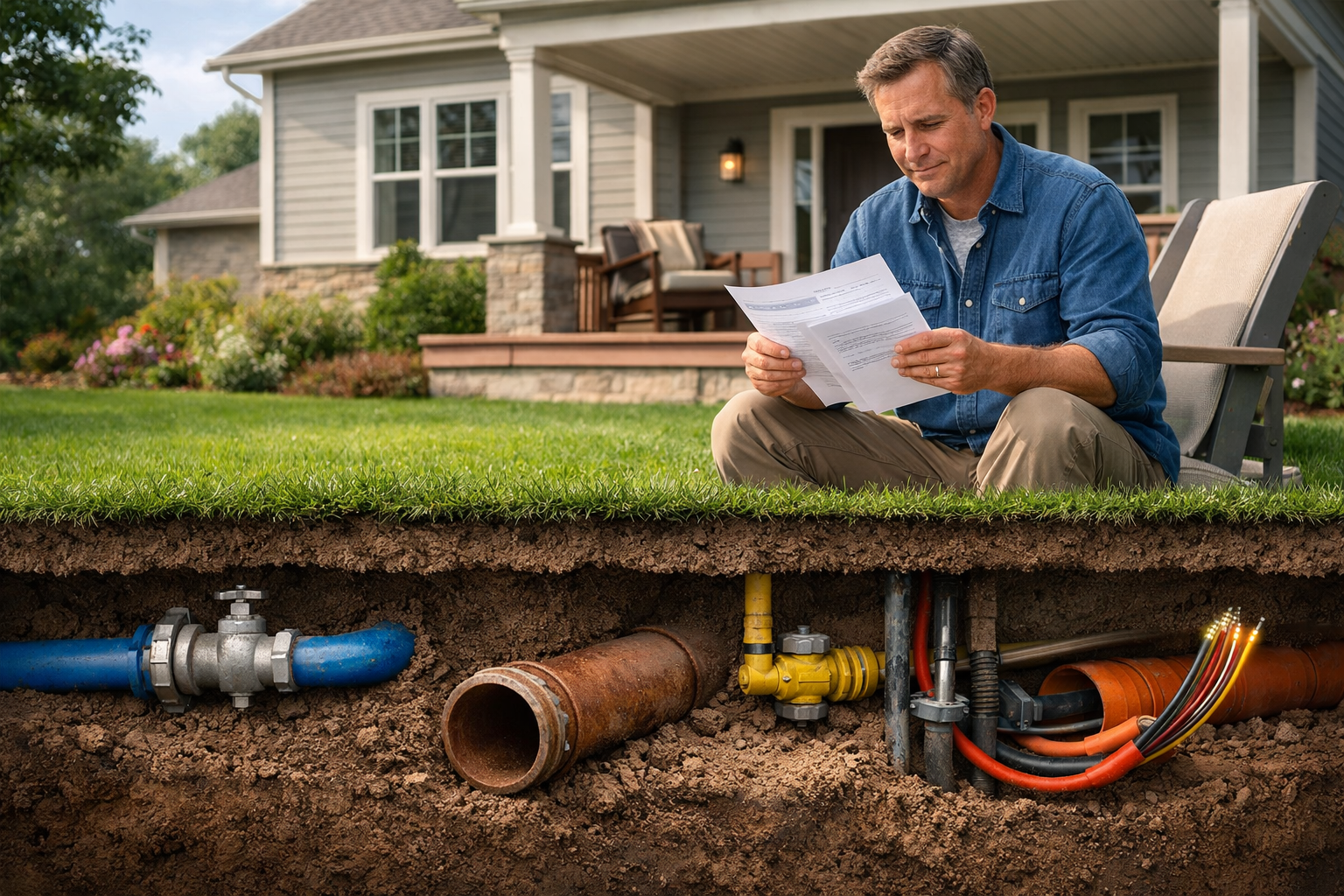
Underground Utility Insurance: The $7–$12 Monthly Coverage That Could Save Metro Atlanta Homeowners Thousands
Most homeowners understand the importance of protecting the obvious things: the roof, the structure, personal belongings, and liability exposure. But there is one category of homeownership risk that often goes unnoticed until a costly problem appears—underground utility lines.
At Livian Ascend, we spend a lot of time helping homeowners make informed decisions about protecting one of their largest investments. One topic that frequently surprises people is underground utility insurance, also known as service line coverage.
Many homeowners have never heard of it. Others assume their standard homeowners insurance policy covers these systems automatically. In reality, neither assumption is usually correct.
What Is Underground Utility Insurance?
Underground utility insurance is designed to help cover the cost of repairing or replacing certain buried service lines that run between your home and the public utility connection.
Depending on the policy, coverage may include:
- Water service lines
- Sewer and drain lines
- Electrical service lines
- Gas service lines
- Communication and data lines
- Certain drainage systems
These lines are often out of sight and out of mind, but they play a critical role in keeping your home functioning properly.
The Responsibility Most Homeowners Don't Realize They Have
One of the most common misconceptions we hear is:
"If a pipe or utility line breaks underground, the city will fix it."
In most cases, that is not true.
While municipalities maintain public utility infrastructure, homeowners are generally responsible for the service lines located on their property and running between the home and the public connection point. When those lines fail, the repair bill typically falls on the homeowner.
Unfortunately, many people only discover this responsibility after receiving an unexpected repair estimate.
Why This Matters in Metro Atlanta
Homeowners throughout Metro Atlanta face a unique combination of conditions that can increase service line risks:
- Mature tree canopies and aggressive root systems
- Aging infrastructure in established neighborhoods
- Expansive clay soils that shift over time
- Heavy rainfall and changing moisture conditions
- Older water and sewer systems in many communities
Areas such as Alpharetta, Roswell, East Cobb, Sandy Springs, Decatur, Brookhaven, Cumming, Johns Creek, and many other established communities often contain homes with aging utility infrastructure that may be more vulnerable to failure.
Common causes of underground line damage include:
- Tree root intrusion
- Corrosion
- Soil movement
- Mechanical breakdown
- Age-related deterioration
- Ground settling
The Costs Can Be Significant
Many underground utility failures are not minor repairs.
A broken water line may require excavation, pipe replacement, landscaping restoration, and emergency service calls. Sewer line failures can involve backups, unusable plumbing, and substantial digging to access damaged sections.
National repair studies show that homeowners can face:
- $3,000–$7,500 for many repair projects
- $8,000–$15,000 for major replacements
- $20,000 or more in severe situations
These costs often come as a surprise because many standard homeowners insurance policies do not automatically cover service line failures.
What Service Line Coverage Typically Helps Cover
While every policy is different, many service line endorsements or standalone plans may help cover:
- Repair or replacement of damaged utility lines
- Excavation and digging costs
- Removal and replacement of damaged piping
- Restoration of affected landscaping
- Certain driveway or hardscape repairs
- Emergency repair services
Coverage details vary significantly by carrier, making it important to review the specific policy language rather than assume all plans are identical.
What It May Not Cover
Just as important as understanding what is covered is understanding what may not be covered.
Many policies exclude:
- Damage inside the home
- Septic systems
- Private wells
- Irrigation systems
- Maintenance-related issues
- Damage caused by neglect or preventable conditions
This is why reviewing coverage details and asking questions before a problem occurs is so important.
Why Many Homeowners Overlook This Risk
There are several reasons service line coverage often flies under the radar:
1. It's Not Usually Included Automatically
Many homeowners assume every part of their property is covered under a standard homeowners policy. Service lines are often treated differently.
2. The Systems Are Hidden
Unlike a roof or HVAC system, underground utilities are not visible during daily life. Because homeowners cannot see them, they rarely think about them.
3. Most People Have Never Experienced a Failure
If you've never dealt with a broken sewer line or water service line, it can be difficult to appreciate the potential financial impact.
4. Policy Reviews Often Get Delayed
Many homeowners renew insurance policies year after year without revisiting endorsements or evaluating coverage gaps.
Who Should Consider Taking a Closer Look?
While every homeowner's situation is different, service line coverage may be worth reviewing if:
- Your home was built before 1990
- Your property has mature trees near utility routes
- You have clay, cast iron, or aging service lines
- You've experienced plumbing or drainage issues in the past
- You want to reduce the risk of unexpected repair expenses
- You have never reviewed this portion of your insurance coverage
Why We Bring This Up
At Livian Ascend, we believe homeownership education extends beyond buying and selling real estate.
Protecting a home involves understanding the systems that keep it running and identifying potential risks before they become expensive emergencies. Conversations about insurance, maintenance, and long-term property protection are just as important as conversations about mortgages, equity, and market value.
Our goal is never to recommend a specific insurance product. Instead, we believe homeowners deserve clear information so they can make informed decisions that fit their financial goals and comfort level.
The Bottom Line
Underground utility issues are easy to ignore, until they are impossible to ignore.
For many Metro Atlanta homeowners, service line coverage costs roughly $7–$12 per month, making it one of the more affordable ways to protect against a potentially significant repair expense.
Whether you decide to add coverage or not, understanding where your responsibility begins and what your insurance policy actually covers can help you avoid costly surprises down the road.
As with many aspects of homeownership, a simple conversation today can be far easier and far less expensive than an emergency repair tomorrow.
or another way